
Cogoletese cooking: stuffed sardines, focaccia, and the bakeries that get it right
What people actually eat in Cogoleto, not what the guidebook wants you to believe. Three dishes, four bakeries with a name, and an honest disclaimer about what's truly local and what's generic Ligurian.
Honest opening, because there’s no point burying it: there is no Cogoletese cuisine in the strict sense. What you eat here you also eat, with small variations, in Arenzano, in Varazze, in Pegli, in Voltri. It is western-Ligurian cooking, more precisely the western end of the historic Genoa territory. For centuries this stretch of coast shared the same fishermen, the same wood-fired ovens, the same inland of olive trees, and the same grandmothers. If you’re looking for the “specifically Cogoletese” stuffed sardine, you won’t find it. Ask three grandmothers to make the dish and you’ll get five recipes, all of them genuine.
Quick context if you’re new to the region. Liguria is the crescent-shaped Italian coast that runs from Tuscany to the French border: the Italian Riviera, in tourist English. Genoa is the regional capital, and for centuries was one of Italy’s great maritime republics; its cooking radiates out along the coast. Cogoleto sits about 25 km west of Genoa, between Arenzano and Varazze, in what locals call the western Riviera (ponente). That’s the food world you’re eating in.
Cogoleto does have something concrete of its own. Four bakeries that make honest, named focaccia. A butcher’s shop with a kitchen on the main street that Gambero Rosso (Italy’s authoritative food magazine) has written up as a small Ligurian eccentricity. Beachfront trattorias where the fritto misto still comes hot from the pan. And a pesto that, if you find someone still making it with the pestle and mortar, is worth the trip on its own.
What follows is a practical map: what to look for on the menu, where to buy it, and when not to trust the word “traditional”.
What’s actually on the table here
Western-Ligurian cooking is a synthesis of two geographies that in Cogoleto are a kilometre apart: the sea and the hills. Below the promenade, fishermen (fewer every year, but a handful still) bring up anchovies, sardines, gurnard, scorpionfish, squid, octopus. Above, from the slopes of Lerca and the Beigua massif, come wild greens (borragine or borage, prebuggiun the mixed wild-greens blend, bietola or Swiss chard), mushrooms in the right months, potatoes, chestnuts. Cogoleto’s cooking, like all ponente genovese cooking, lives at this intersection: humble fish dishes (because the noble fish, sea bass and sea bream, went to the Genoa market), vegetable dishes with field greens, focaccia made with nothing more than flour, water, salt, and good olive oil.
The food magazine liguriafood.it puts it well: Cogoleto doesn’t have a single flagship dish, it offers a synthesis of the Ligurian menu. Fish with mushrooms. Seafood antipasti with green pies. That’s the honest version.
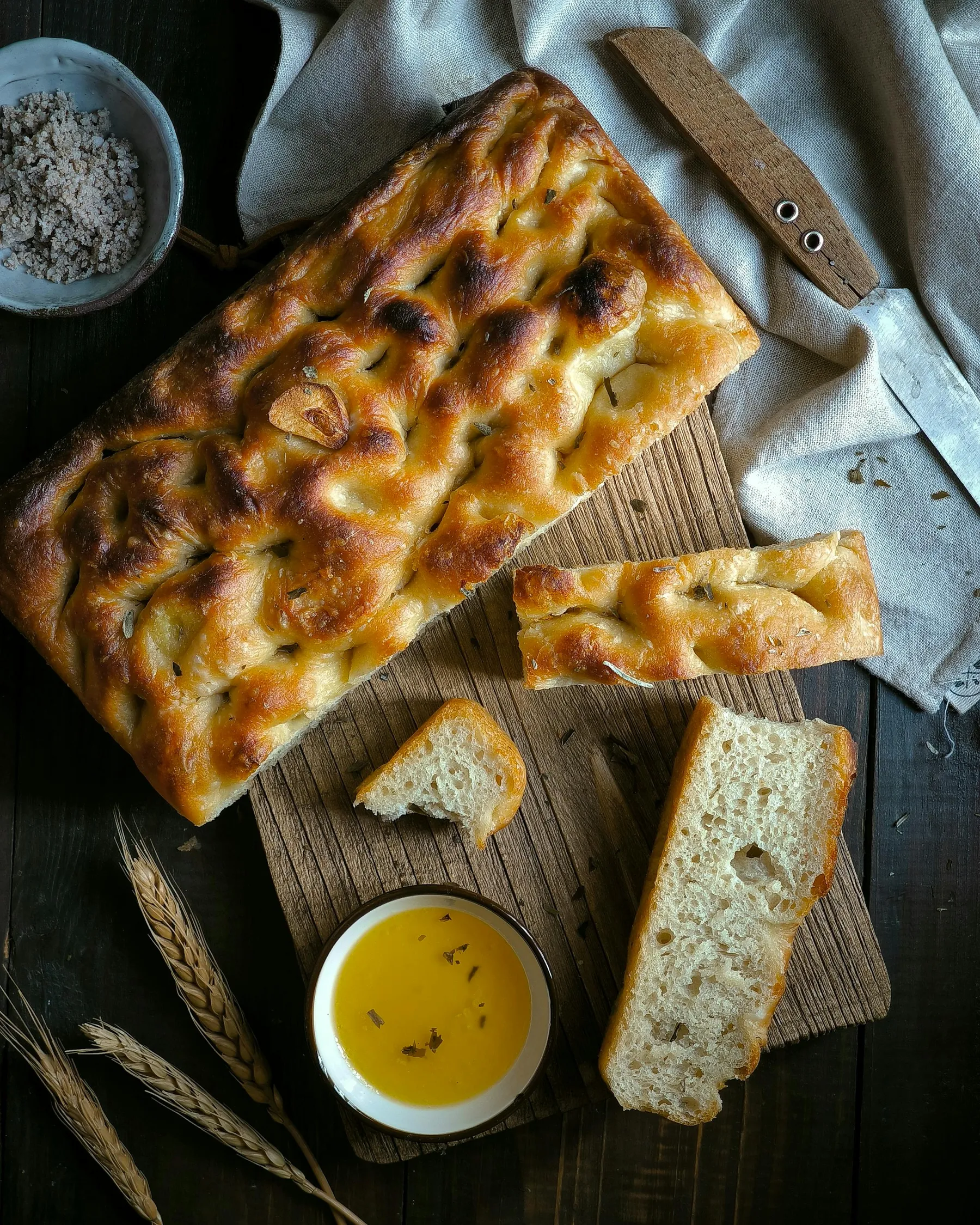
And then there’s focaccia. Which here is a serious matter.
A word on the anchovy
Before getting to the dishes, worth pausing on the ingredient. Salt-cured Ligurian Sea anchovies (Acciughe sotto sale del Mar Ligure) have held IGP status since 2008, and Cogoleto sits comfortably inside the protected area along with the rest of the coast from the French border to La Spezia. Medieval portolans called them pisce salsa; documents from 14th-century Noli already describe the trade. The process is what’s still done today: lampara fishing at night, anchovies beheaded and gutted by hand, layered in barrels or glass jars with coarse salt, pressed for months. The IGP is concrete protection under EU specification — not a marketing flourish. You buy them in the village grocers, not just at the tourist markets.
When a Cogoleto menu says acciuga, you are almost always reading about this fish, processed here or along this coast. Useful to know when you order: a Ligurian anchovy is less fatty and more savoury than an Atlantic one, and that changes the rest of the dish around it.
Stuffed sardines (and stuffed anchovies)
The most genuinely Ligurian dish you’ll find on a Cogoleto menu is sarde ripiene, stuffed sardines (or acciughe ripiene, stuffed anchovies; same principle, smaller fish, smaller portion).
The canonical recipe, the one Visit Genoa publishes as “alla genovese”, is disarming in its simplicity: sardines cleaned and butterflied open; a filling of breadcrumb soaked in milk and squeezed out, eggs, grated hard cheese (parmesan, or more strictly grana padano), marjoram or oregano, parsley, garlic, salt, olive oil. Lay the sardines in an oiled baking pan, spread the filling, dust with breadcrumbs, drizzle olive oil, bake at 180 °C for about twenty minutes. That’s it.
There is also a fried version (smaller fish, drier filling, a quick pass in hot oil) and that’s the one you tend to find in Cogoleto in summer, usually as anchovies and almost always as an antipasto.
Acciughe ripiene (in dialect anciöe pinn-e) are the smaller, more frequent cousin: same filling of breadcrumb, eggs, parsley, marjoram, garlic and parmesan, except the anchovies are butterflied open and laid in pairs, one over the other, filling between, then baked or fried. The dish is universally Ligurian (you find it identical in Imperia, in Sestri Levante, in Lerici), and A Small Kitchen in Genoa has the most orthodox baked version online. In Cogoleto they turn up as an antipasto on almost every summer fish menu. They cost very little, fill you up properly, and they’re the most direct way to tell whether a kitchen is honest or not.
Frisceu de gianchetti (with an asterisk)
Filed under antipasti because that’s where you’ll find them: fritters of “gianchetti”, frisceu in dialect. A simple batter of flour, water, eggs, a breath of parsley and marjoram, garlic if you like it, with the fish folded in: dropped by the spoonful into hot oil, served golden with a wedge of lemon.
The asterisk matters. The true bianchetti (the unripe fry of sardine and anchovy) have been banned from fishing for years. If someone serves you “gianchetti” today, they are almost certainly serving rossetti — Aphia minuta, a small transparent goby that’s a fully adult fish, not a juvenile. Different species, similar texture, slightly milder flavour. The recipe is the same one La Maggiorana Persa writes up properly. Worth knowing for two reasons: one, if a menu says bianchetti without specifying, ask; two, if a plate arrives at your table they’re genuinely good, but they are rossetti, not a sentimental childhood memory.
The variants are where family arguments start. The three most common in the ponente:
- With Swiss chard. Blanched and finely chopped, mixed into the filling. The “country” version: richer, almost always baked. Not orthodox to town grandmothers, but standard up in the hills.
- With boiled potato. A potato mashed into the filling, replacing half the breadcrumb. Makes the dish heartier, less of the sea. Common in the Varazze and Sassello hinterland.
- With orange zest. A small hit of grated peel in the filling, nothing more. An old touch that surfaces in some grandmother recipes around Savona. Startling at first bite, then your favourite version.
There is no orthodox Cogoletese stuffed sardine. There are families who do it one way and families who do it the other, and nobody is wrong. You’ll find them, when they’re on, at Prie de Mà (Lungomare Santa Maria 35), at Casale del Beuca (via Frankenbergen 4), and occasionally at Nonno Cuoco (via Mazzini 29). Not fixed on the menu: depends on the morning catch.
The town bakeries
There are only a handful of bakeries in Cogoleto, all within walking distance, and each has its own character. Go early — before nine. Focaccia comes out of the oven in batches from about seven-thirty onwards, and by eleven the good stuff is gone or reheated.
Il Forno di Felice — Vico delle Cave 3
The one locals just call “Felice”. It sits on a tight alley, badly signposted, behind the church of San Lorenzo. Three people fit comfortably inside; you leave with a sheet of greasy paper in your hand. The 4.8 on Google isn’t statistical generosity: the focaccia comes out hot, the right height, the right salt, the oil pooling on the bottom. From Felice you buy the classic focaccia and their real signature, Recco-style focaccia (locally focaccia tipo Recco — bakeries outside Recco can’t use the IGP name), the wafer-thin one with melted cheese inside, which few bakeries in Cogoleto get right. Their pandolce genovese (a dense Genoese sweet bread) goes in the oven every day, even in summer.
What to order first time: 100 grams of plain focaccia classica, and a portion of tipo Recco to split with someone. If you turn up in late November or around Christmas, ask for the biscotti del Lagaccio as well: born in 1593 in the Lagaccio quarter of Genoa, twice-baked, with the scent of anise, they’re the classic dry biscuit you dunk in coffee or sweet wine. Visit Genoa writes them up as one of the historic city sweets. The bakeries of the ponente keep them in stock year-round, and Felice usually has a tin out.
Vico delle Cave at half past six in the morning smells of flour, yeast, and warm oil. It’s worth the early alarm.
FocaCcino — Via Rati 27
The young one. Opened in 2022: two owners who moved to Cogoleto with their families, rustic-modern fit-out, lievito madre (sourdough starter) as the flag. Gambero Rosso wrote them up as “the young bakery near Genoa betting everything on Ligurian focaccia and natural leavening”, which is exactly right. Compared to Felice, this is less inherited tradition and more contemporary bakery school: long fermentations, high hydration, careful flour sourcing.
The name plays on focaccia + cappuccino: you can grab one of each at the counter and stand at the window for breakfast. They’ve become the reference point for a more “boutique” focaccia, and part of the clientele drives in from Arenzano and Varazze on purpose.
What to order: the low focaccia made on lievito madre, plain, eaten within half an hour.
Focacceria Sapori Liguri (Gastoldi) — Via Colombo 20
A few steps from the junction up to the train station, on the inland side of Via Colombo. Daniela Gastoldi runs the counter: a focacceria-deli with fresh pasta, bread, savoury pies, and a solid focaccia display (plain, with pesto, with onion, with olives, with cherry tomatoes). This is not the tourist bakery; it’s the neighbourhood bakery, where the commuter queue forms before the morning train and people pick up beach lunches around noon.
What to order: a portion of pesto focaccia, eaten on the beach before two o’clock.
Panificio Focacceria La Briciola — Via Colombo 82/84
Further down, in the centre, still on Via Colombo. Run by Barbara Picasso & Co. Another all-rounder: sweet and savoury, Genoese focaccia as the main line, and (a real detail) they also make gluten-free focaccia and pizza in single portions on a regular basis. The only bakery in Cogoleto we know of that does. They average 4.6 on Sluurpy, and customers consistently call out the cherry-tomato focaccia.
What to order: the cherry-tomato focaccia in summer; a slice of pizza alla pala in the afternoon if it’s out.
Four bakeries, less than two kilometres on foot, two different temperaments (tradition vs. new-wave baking) plus two neighbourhood places. You can do all four in one morning, and that’s exactly what I’d suggest if you want to figure out where your own taste lands. The only risk is going home with two kilos of focaccia in a paper bag.
Sciarborasca, and the part of Cogoleto that looks at the hills
Cogoleto isn’t only the promenade. Sciarborasca is a frazione of the municipality, and taking the road up from the main coast road puts you at 200 metres altitude in a different food world. This is where the Parco Naturale Regionale del Beigua begins, and the cooking changes in a way you can taste. The park says so openly on its products page: gustosi per natura — tasty by nature.
What changes. On the coast the ingredient is fish; in the hills it’s the formaggetta del Beigua, a small soft cow’s-milk cheese (sometimes blended with goat), eaten fresh or briefly aged. You find it in some village grocers, and on a couple of trattoria menus it shows up as an antipasto with Beigua honey and good bread. The honey is the other serious product: chestnut, high-altitude wildflower, occasionally acacia. In autumn come the mushrooms (porcini above all, from the woods above Lerca and Pratorotondo) and the chestnuts, the historical base of flours, polenta and the sweets of the inland.
It’s not a different cuisine, it’s the same Cogoletese cooking seen from the other side. Mare e monti (sea and mountains) in the western Genoese isn’t a menu slogan: in Cogoleto, where the hillside starts literally behind the village, it’s daily geography. A drive up to Sciarborasca, a formaggetta with honey, and a walk in the park is the most Cogoletese half-day you can spend.
Buridda, ciuppin, bagnun, cappon magro, fritto misto
Five dishes nobody is going to claim are specifically Cogoletese (because they aren’t), but that turn up regularly on Cogoleto fish menus. Worth knowing what you’re ordering.
Buridda. A fish stew. The fish stays in chunks, not blended. The historical version uses stoccafisso (stockfish, dried Atlantic cod) with onions, tomato, pine nuts, Taggiasca olives, sometimes capers and peas. There’s also a “from the sea” variant with fresh fish: gurnard, scorpionfish, cuttlefish, octopus. A fisherman’s dish, long to cook, more likely to appear on autumn evening menus than on a summer lunch list.
Ciuppin. Ciuppâ in the local dialect means “to break into small pieces”. Ciuppin was born that way: the throwaway fish (gurnard, weever, small scorpionfish, scraps of shellfish) cooked long with vegetables and tomato, then pushed through a sieve to make a thick cream, served with bread crostini fried in olive oil. It is, in practice, the ancestor of San Francisco’s cioppino: Ligurian emigrants (mostly Genoese) carried the recipe to California in the late 1800s, where it became the flagship soup of the Italian-American community, except that in San Francisco the fish stays whole and tomato dominates. Not a small footnote if you’re reading this from the Bay Area: if you grew up on cioppino at Fisherman’s Wharf, you’re now eating its great-grandfather.
Bagnun di acciughe. You’ll see it across the Riviera, but the bagnun was born on the other side of Genoa, in Riva Trigoso di Sestri Levante, where they’ve held the Sagra every July since 1960. Anchovies were fished here in the ponente too, and the recipe is the same maritime language that was spoken on every Ligurian leudo (the traditional coastal cargo sailboat). The canonical version, as Ligucibario writes it up, is bare to the point of disarming: fresh anchovies cleaned, fresh tomato or crushed canned ones, onion, garlic, extra virgin olive oil, parsley. You let it reduce gently and ladle it over galletta del marinaio (sailor’s hardtack) broken into rough pieces — that’s the dry bread of the ship’s biscuit, still made today by a few bakeries in Camogli and Sestri. Eaten with a spoon. No white wine, no vinegar, no bay leaf: anything you see added in a tourist menu has nothing to do with the historical recipe. It is listed as a PAT (regional traditional food product). In Cogoleto it shows up seasonally, usually when whichever local fisherman has pulled up a crate of real anchovies that morning.
Cappon magro. The Christmas Eve dish, and the showpiece for any serious Ligurian table. It’s a layered structure: sailor’s hardtack moistened with oil and vinegar at the base, then boiled vegetables arranged by colour (celery, carrots, green beans, beetroot, salsify, chard), then poached white fish flaked off the bone, then a thick green sauce of parsley, capers, anchovies, breadcrumb and olives. Finished with hard-boiled eggs, prawns and — in the old versions — a whole lobster crowning the top. It’s Genoese, not Cogoletese, but here in Cogoleto you’ll see it on the Christmas Eve table and on a handful of restaurants’ pre-order holiday menus. As a visitor you’ll only meet it if you’re here at the end of December or you call ahead by several days: it’s a working day’s labour for whoever makes it.
Fritto misto. The test dish for any seafood trattoria. The Ligurian-classic version includes red mullet, bogue, squid, baby cuttlefish, anchovies, sardines: small fish, lightly floured, fried at high temperature in oil (peanut oil for clean flavour, olive oil in the more traditional versions). Served with a wedge of lemon. If yours arrives with whole king prawns and large squid rings, you’re not eating a Ligurian fritto. You’re eating a tourist fritto.
Where to try them in Cogoleto: the fritto misto and seafood antipasti on the seafront come out of Bagni Marechiaro, Prie de Mà, La Voglia Matta. Ciuppin and buridda are rarer and depend on the chef: the kind of thing you ring ahead about the day before.
Out of category, but worth your time: Macelleria Viglino at Via Colombo 52, the butcher-with-kitchen-with-secret-garden Gambero Rosso has written about. Giovanni Viglino opened in 2001 what’s said to be the first Italian risto-macelleria: an old shop with original Genoese tile floors that open onto a covered garden full of vintage signs and plants. You go for the meat (fegato alla veneziana or Venetian-style liver, offal, serious cuts) and not the fish, obviously. It’s one of the most genuinely Cogoletese things you can do at a table here, in the sense that it’s an eccentricity you won’t find in Genoa in this form.
Pesto and the one rule
Pesto genovese is the thing Ligurian purists do not joke about, and in Cogoleto, as everywhere else in Liguria, the rule is: Genoese DOP basil, pine nuts, garlic, coarse salt, parmesan (with a touch of pecorino), Ligurian extra virgin olive oil. No walnuts. Walnuts go in Sicilian red pesto, in commercial industrial pestos, in some northern Italian sauces called “pesto” by extension. Not in real Genoese pesto.
Second rule, for the strict purists: mortar and pestle, not a blender. The blender heats the basil and oxidises it, turning the green toward brown, slicing the leaves cleanly instead of bruising them. The difference shows up in the first spoonful: mortar-made pesto is greener, rounder, less aggressive on the garlic. It isn’t snobbery, it’s plant chemistry.
In practice even the grandmothers use a blender now: the mortar effort for a Sunday lunch is real labour. But if someone serves you pesto made in a mortar (a couple of trattorias in Cogoleto and Arenzano do it on request), they’re doing something genuine.
Where to eat lunch
The short map: a focaccia from one of the four bakeries above, eaten on the beach or sitting on a sea-wall with the bakery paper on your lap, is the most Cogoletese lunch you can have. Costs two or three euros and leaves the afternoon free.
For a sit-down lunch, our restaurants page collects the places that serve decent seafood (Prie de Mà, Casale del Beuca, La Voglia Matta, Bagni Marechiaro), the butcher-with-kitchen on Via Colombo (Viglino), and a couple of low-key osterias. Not everywhere is open every day; in the off-season it’s worth a phone call. One thing that almost always works: ask the waiter “what’s good today” instead of reading the menu. In Cogoleto, as in half of Liguria, the written menu is a sketch. The real dish of the day arrives from the morning market.
If you find stuffed sardines, order them. If you find pesto focaccia still warm, stop and eat it there.
Leggi questo articolo in italiano: cucina cogoletese sardine focaccia.
In summer: ice cream or granita?
Tap your favourite to vote.
Tap your favourite to vote and see the results.
All polls